
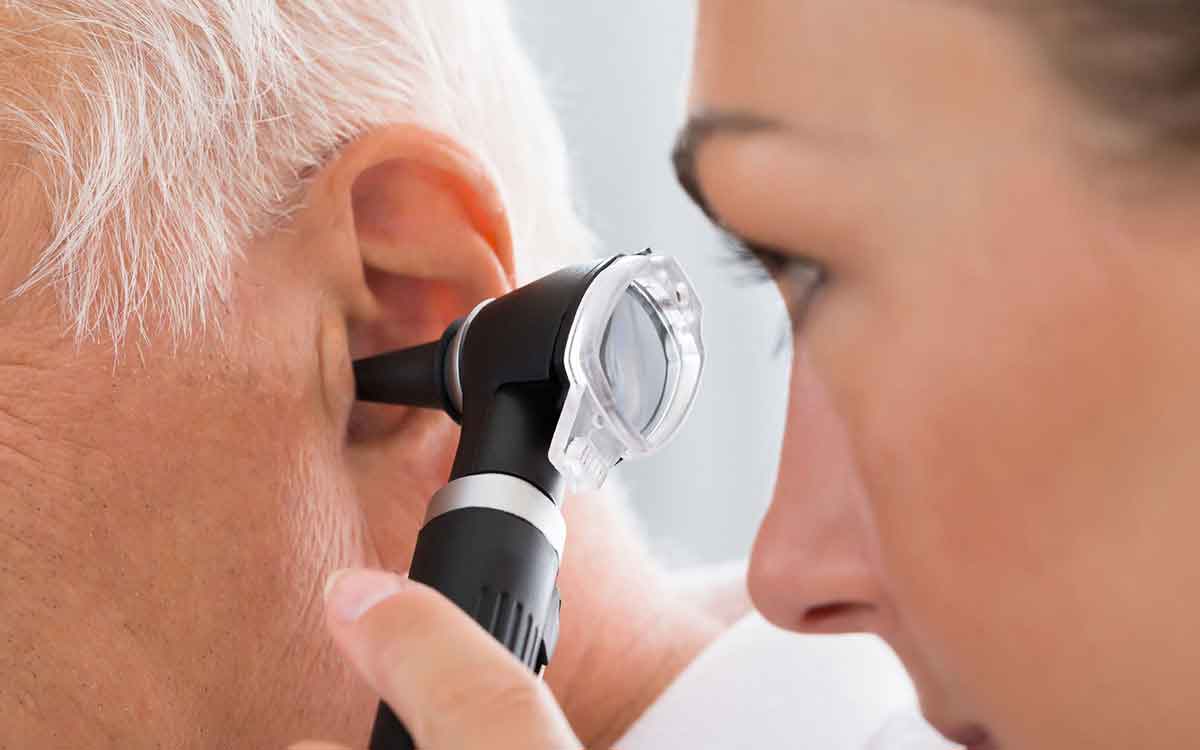
Hearing loss often happens gradually, rendering it difficult to detect during the preliminary stages. Many people adjust without realizing it by increasing the TV volume, asking others to repeat themselves, or avoiding loud environments.
Seeking an early evaluation can help maintain auditory function, improve communication, and safeguard overall quality of life.
Common Symptoms of Early Hearing Loss
If you identify any of these indicators, we suggest arranging a professional hearing assessment to determine your status.
- Reduced clarity during dialogue within high-noise areas.
- Frequently asking people to repeat information.
- The perception of muffled or slurred speech where words appear to merge.
- Turning up the volume on the TV, phone, or radio higher than others prefer.
- Trouble perceiving high-frequency audio, including high-frequency vocalizations, birds, or electronic alerts.
- Ringing, buzzing, or humming in the ears (tinnitus).
- Feeling mentally exhausted after conversations, resulting from increased efforts to hear better.
- Withdrawing from social gatherings as dialogue has become stressful.
Early symptoms could be unilateral or bilateral and can fluctuate at first. Due to rapid neural adaptation, many individuals remain unaware of their compensatory habits until the deficit is significant.
Understanding Hearing Impairment Through Data
Data from the World Health Organization indicates that a vast population will face the requirement for auditory rehabilitation by mid-century. Other significant statistics consist of:
- By 2050, nearly 2.5 billion people are expected to experience some degree of hearing loss.
- Over 5% of the world’s population (430 million people) necessitates rehabilitation to address significant hearing loss.
- More than 1 billion younger individuals are at risk of permanent hearing loss caused by hazardous acoustic habits.
- Among those over the age of sixty, more than one-quarter have disabling hearing loss.
The Critical Importance of Early Identification
Failure to address auditory decline can affect general health and physiological status.
Data confirms a link between auditory impairment and risks involving cognitive decline and mobility issues.
Early intervention offers better long-term prognosis and greater treatment flexibility.
A professional assessment clarifies if hearing shifts are the result of aging, earwax impaction, or different medical factors.
Under certain conditions, hearing changes are transient and treatable.
In addition, employing safety strategies or digital hearing aids at the onset may delay the progression of hearing loss.
Guidelines for Consulting an Audiologist
Professional consultation is recommended if you experience:
- Early signs last longer than a few weeks.
- Hearing difficulties impact work, relationships, or daily activities.
- Instances of acute hearing loss, vertigo, or persistent ringing warrant prompt clinical attention.
Assessments for hearing are noninvasive procedures, yielding essential information regarding your ear health.
Contact our professional team today if you believe you could benefit from a hearing evaluation.
Frequently Asked Questions: Recognizing Auditory Decline
Q: Is hearing loss always age-related?
Answer: No. While common in seniors, hearing impairment can be caused by medications, loud noise, infections, or hereditary conditions.
Question: Is it possible to restore lost hearing?
A: Some causes, like earwax buildup or infection, may be reversible. Permanent sensorineural hearing loss is typically managed using advanced hearing devices and management protocols.
Q: How often should hearing be checked?
Answer: Clinical guidelines suggest a baseline evaluation by the age of 50, or earlier if symptoms of hearing loss are noticed.