
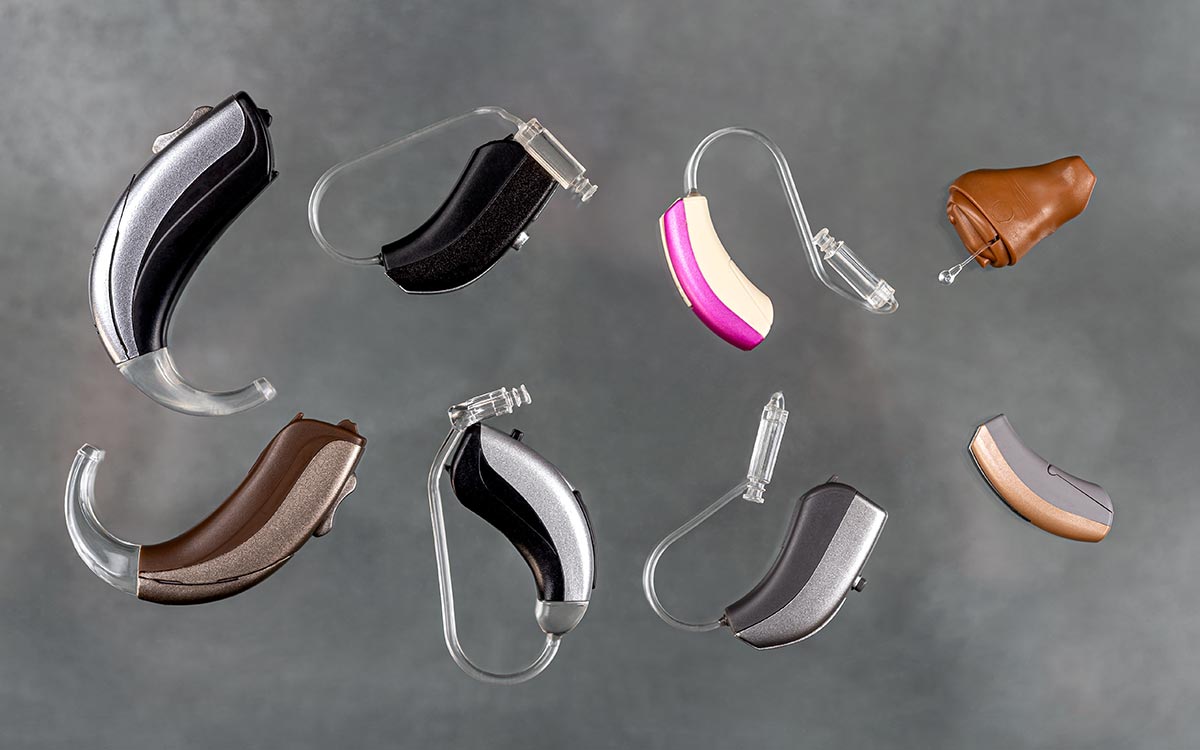
With so many choices in terms of dimensions, style, and technology, the process of picking an instrument can feel quite intense. However, a specialized hearing solution exists for every person’s singular needs and daily habits. It’s just a matter of locating it!
By learning about the differences between various hearing aid models, you can move forward with greater confidence and knowledge. This guide explores the most common styles and highlights the specific advantages each one offers.
In-the-Canal (ITC) Hearing Aids
What they are:
ITC models are custom-fitted to sit within the ear canal, though a small part of the shell remains visible in the ear’s outer portion.
Key Selling Points:
- Offers a smaller profile than bulkier behind-the-ear units
- Tailored to the specific shape of your ear
- Suitable for mild to moderate hearing loss
Because they offer both discretion and helpful features, ITC models are a top pick for those new to hearing technology.
Exploring IIC (Invisible-in-Canal) Options
What they are:
IIC hearing aids are the smallest custom design available. They are inserted deeply within the canal to remain hidden from view.
Why individuals pick them:
- The best option for users prioritizing appearance
- Microphone depth assists in mimicking the ear’s natural sound collection
- So light and small that users frequently forget they are wearing them
Due to their miniature stature, these aids are generally recommended for low-to-mid-range hearing loss and users who want total invisibility.
In-the-Ear (ITE) Hearing Aids
Structural Info:
An ITE hearing aid rests snugly within the outer ear, available in both full-shell and half-shell configurations. Every unit is specifically personalized to match your ear’s unique shape.
The Advantages:
- The bigger size makes it feasible to include more internal components and longer-lasting batteries
- Ideal for individuals who find smaller devices hard to manipulate
- Effective for an extensive spectrum of hearing impairments, ranging from mild to severe
Many people pick ITE devices because they offer a streamlined, self-contained design that doesn’t hook over the ear.
BTE (Behind-the-Ear) Basics
Summary:
These devices rest on the outer ridge of the ear’s anatomy. Audio travels into the ear canal through a small tube or custom earmold.
Reasons for Selection:
- Offers an enduring and versatile solution for various environments
- Effective for almost every level of hearing impairment
- The spacious housing enables high-tech extras and built-in power cells
If you require a sturdy hearing aid that is simple to operate and offers high-power output, the BTE style is ideal.
Modern RIC (Receiver-in-Canal) Devices
Mechanical Arrangement:
In an RIC model, the speaker is detached from the main housing and placed inside the canal via a thin wire.
Why they are favored:
- Provides an exceptionally clear and lifelike listening experience
- The ultra-thin style is equally light and nearly effortless to wear
- Flexible enough to address an extensive number of hearing impairments
RIC devices are one of today’s most common styles, thanks to their blend of comfort, aesthetics, and performance.
Understanding Extended-Wear Solutions
Operational Info:
A hearing specialist places these specialized hearing aids deep into the canal, where they remain for multiple weeks.
User Incentives:
- Zero routine insertion or removal
- Sitting low in the ear makes them completely hidden from view
- Designed to be worn throughout everyday activities, including sleeping and exercising
If you want an auditory solution that requires zero daily thought, the extended-wear style is perfect.
Bluetooth-Enabled Hearing Aids
Digital Attributes:
Bluetooth-ready hearing aids allow for an electronic bridge between your hearing technology and your smart devices.
Digital Benefits:
- Allows for crystal-clear voice calls and media streamed directly to the device
- Adjust settings through an app
- Perfectly matched for the requirements of an advanced, connected individual
You can locate Bluetooth capabilities built into an array of form factors, from RIC and BTE to custom ITC designs.
Understanding Middle-Ear Implant Systems
Design Overview:
A surgical solution that works by shaking the tiny bones inside the ear to provide amplified audio.
Who they are for:
- A viable path for patients who are unable to wear standard acoustic devices
- Comfortable option for chronic ear issues related to traditional devices
Middle-ear implants are typically suggested only after a full evaluation by an ENT specialist.
Selecting Your Ideal Hearing Solution
Every hearing aid style provides its own advantages, and the right option depends on your level of hearing loss or tinnitus, comfort preferences, lifestyle, and cosmetic considerations. By visiting a specialist, you can investigate various models and see which one feels most natural to you.
Take the lead for your hearing health by booking a professional hearing evaluation today. This simple action is the foundation for improved hearing and better connections with those around you.
Sources:
https://www.mayoclinic.org/diseases-conditions/hearing-loss/in-depth/hearing-aids/art-
20044116
https://www.hearinglife.com/hearing-aids/types
https://www.nidcd.nih.gov/health/hearing-aids