
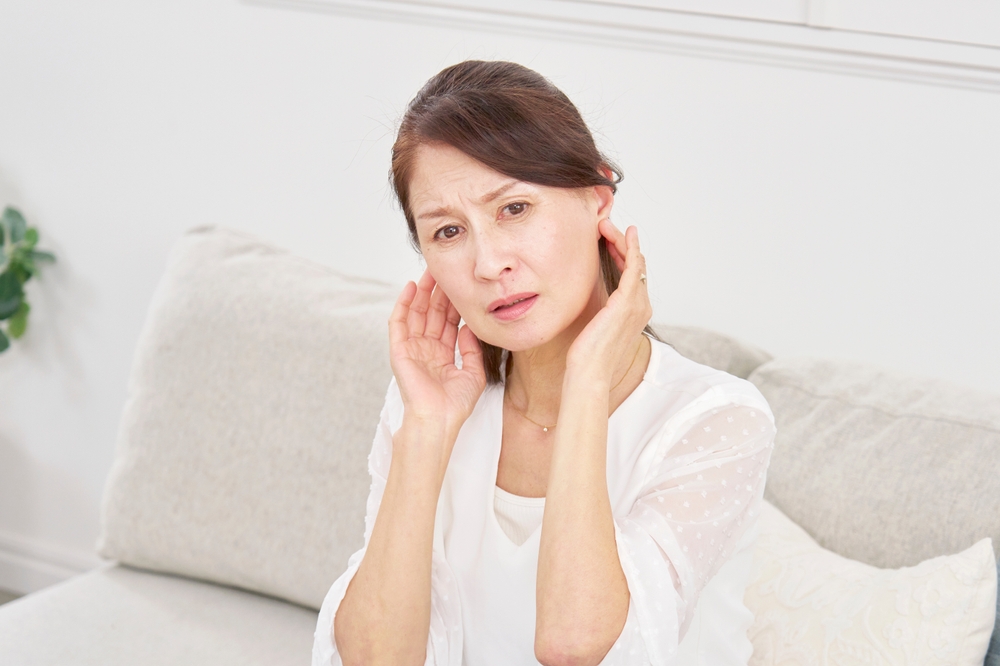
Waking up at the start of the day and realizing you can’t clearly hear is an alarming scenario for anyone. This type of hearing impairment is strikingly sudden, often appearing without prior warning signs or advanced signals. Though certain triggers are transient and simple to resolve, others necessitate urgent clinical intervention.
Analyzing the typical reasons behind sudden deafness and knowing when to seek for help is vital for your long-term health. The following guide explores the mechanics of rapid hearing changes, likely triggers, and the necessity of expert audiology care.
What Is Sudden Hearing Loss?
This impairment involves a quick loss of hearing ability spanning several hours to a maximum of three days. The condition frequently strikes a single ear, though bilateral loss is possible in rarer cases. Individual experiences vary from clouded hearing and tinnitus to a distinct sense of congestion or vocal distortion.
Sudden Sensorineural Hearing Loss (SSHL)
SSHL is one of the most critical conditions for an audiologist to investigate quickly.
We define this loss as a failure of the inner ear or the complex nerve systems responsible for sound transmission. While an exact etiology is often elusive, several factors are commonly identified as likely drivers:
- Decreased blood flow to the inner ear
- Increased inflammation inside the auditory pathways
- The activity of viral pathogens
- Neurological factors
Medical experts classify SSHL as an emergency because immediate therapy improves the chance of complete recovery.
The Role of Viral Pathogens
Several viruses have the potential to damage hearing long-term by causing inflammation in the hearing pathways.
Medical research links the following viruses to rapid changes in hearing acuity:
- Common upper respiratory infections
- Multiple strains of influenza
- Herpes-based infections
- COVID-19–related viral effects
Hearing changes may appear during or shortly after an illness and can be accompanied by dizziness or ear fullness.
Impact and Auditory Trauma
Traumatic events such as head strikes, barotrauma, or high-decibel exposure can compromise the ear’s fragile anatomy.
The following scenarios are typical causes of injury-based hearing impairment:
- Cranial trauma or concussions
- Rapid pressure changes such as barotrauma
- Contact with extremely loud sounds
- Physical displacement of inner ear fluids
Minor impacts can still compromise auditory function, particularly if shifts manifest immediately following the event.
Impacted Cerumen and Hearing Blockage
While not a medical emergency like SSHL, impacted wax is a frequent cause of abrupt auditory dullness.
Cerumen-induced hearing loss may:
- Manifest with abrupt speed
- Present as a persistent internal pressure
- Show a distinct unilateral bias
- Resolve immediately upon professional cleaning
Crucially, a self-diagnosis at home cannot accurately distinguish between a simple blockage and a nerve-related crisis. Therefore, seeking a professional clinical opinion is the only safe course of action.
Additional Factors in Rapid Auditory Decline
Secondary factors to sudden hearing loss may include:
- Adverse effects from certain pharmaceuticals
- Vascular irregularities in the auditory pathway
- Abnormal immune responses targeting the hearing system
- Tumors affecting the auditory nerve
A detailed assessment by an expert provides the clarity needed to rule out these rare conditions.
Why Acting Fast Matters for Sudden Hearing Changes
It is critical to understand that delaying evaluation for sudden hearing loss is a significant risk.
A fast response from a specialist can help:
- Uncover reversible causes
- Enhance the overall success rate of clinical interventions
- Mitigate the risk of lasting auditory deterioration
- Limit long-term communication challenges
Professional audiological assessments are essential in identifying the specific nature of the loss and directing treatment.
Identifying Red Flags for Urgent Hearing Care
It is vital to get prompt medical or audiology care if you experience:
- Unexpected deafness occurring in one or both ears
- Auditory loss with dizziness or imbalance
- Buzzing or pressure that appears suddenly
- Loss of hearing that manifests after a medical event or head impact
Even if hearing returns partially, evaluation is still important to find out what’s going on.
How Hearing Tests Provide Immediate Solutions
Modern testing quickly identifies the specific category of the loss, such as:
- A conductive issue involving the middle ear or ear canal
- Nerve-based or related to inner ear damage
- A transient condition or a lasting auditory change
Swift testing is the foundation for timely medical action and superior long-term results.
Prioritizing Your Auditory Health and Peace of Mind
Abrupt hearing changes are understandably frightening, yet prompt action is your best path toward restoration.
By prioritizing a professional hearing check-up, you protect both your auditory function and your mental well-being. If you are facing an auditory crisis, our office is here: Call us right away to schedule the urgent help you deserve.